


Introduction
A traditional city is built with roads, buildings, drainage systems and public utilities.
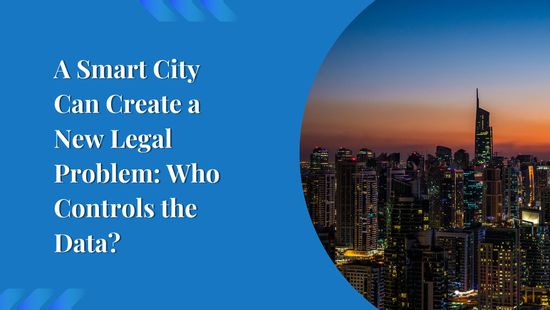
A smart city adds another layer: sensors, cameras, connected devices, digital platforms and data.
That creates a new infrastructure question. If the city generates enormous quantities of data, who controls it and how can it legally be used?
Background
Traffic systems can collect movement information. Public cameras can generate visual data. Smart utility systems can record consumption patterns.
These technologies can improve public services, but they also create legal questions concerning privacy, cybersecurity, data access and retention.
Court's Findings / Legal Analysis
Technology contracts need to address more than installation and maintenance.
They may also need to determine responsibilities concerning data governance, cybersecurity, access rights, retention and the treatment of information after the technology provider's contract ends.
India's Digital Personal Data Protection framework adds another layer where smart-city systems process personal data.
Why the Judgment Matters
Technology infrastructure can remain operational for decades while the original technology provider may change within a few years.
This creates an important contractual question: can the city continue accessing and using the systems and data after the original vendor leaves?
Key Takeaways
Smart-city contracts should contain clear data-governance provisions.
Cybersecurity responsibilities should be allocated expressly.
Contracts should address data access and continuity after termination.
Conclusion
The infrastructure of tomorrow will not be made only of concrete and steel.
It will also be made of data. Smart-city contracts therefore need to treat data governance as an infrastructure issue rather than merely an IT issue.


