


Introduction
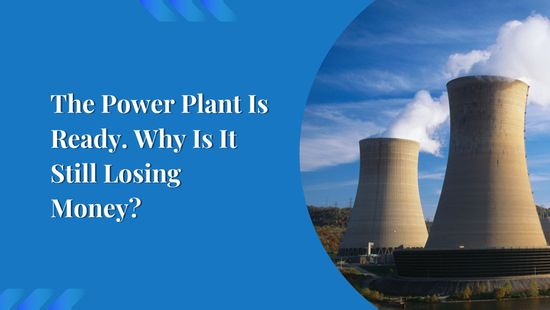
An energy project can be physically complete and technically operational yet remain commercially distressed.
The reason is simple: infrastructure is not only about construction. A power project must also sell its output under a regulatory and contractual framework that determines whether the investment remains viable.
Background
Power projects require significant capital expenditure and are often financed on the assumption that electricity will be generated and sold over a long period.
The Power Purchase Agreement can therefore become as commercially important as the construction contract.
Court's Findings / Legal Analysis
A PPA may address tariff, payment obligations, scheduling, change in law, force majeure and other risks affecting the relationship between the generator and purchaser.
Regulatory decisions can also affect the commercial assumptions on which the project was financed. Consequently, disputes may arise even when the construction obligations themselves were properly performed.
Why the Judgment Matters
For infrastructure investors, delayed payment can create consequences far beyond a single unpaid invoice. Financing obligations continue even when project revenues are delayed.
This makes payment security, regulatory risk and contractual protection important considerations from the beginning of the project.
Key Takeaways
PPAs should clearly allocate regulatory and commercial risks.
Payment-security mechanisms should be carefully evaluated.
Financing assumptions should be tested against potential regulatory and operational disruptions.
Conclusion
The legal life of an energy project begins long before electricity starts flowing and continues long after construction ends.
For investors and developers, the real protection lies not merely in building the plant, but in ensuring that the contractual and regulatory framework can support the project throughout its operating life.


